
Pula and Rovinj are 40 km apart on the west coast of Istria, and a day trip usually gives you a couple of hours in each: a Roman amphitheatre in one, a Venetian harbour town in the other. What changes the day most is where you start. From Rijeka it is a comfortable outing, from Trieste a pleasant cross-border one, and from Zagreb a long road day. Pick the tour by your base first, then by what it includes.

Advertising note: tour links on this page are GetYourGuide affiliate links. We may earn a commission at no extra cost to you.
Your starting point decides the day
| Start | To Pula | Verdict |
|---|---|---|
| Rijeka / Opatija | About 100 km, 1.5 hours through the Učka tunnel | The easiest base: most time in the towns |
| Trieste | About 120 km, 2 hours via a short stretch of Slovenia | Very doable; Italy, Slovenia and Croatia in one day |
| Zagreb | About 265 km, 3 hours each way | Only if you have no other chance to see the coast |
Since Croatia joined the Schengen area in 2023, there are no routine passport checks on the way from Trieste. Carry your ID or passport anyway; spot checks happen.
Pula: the arena and a short Roman walk
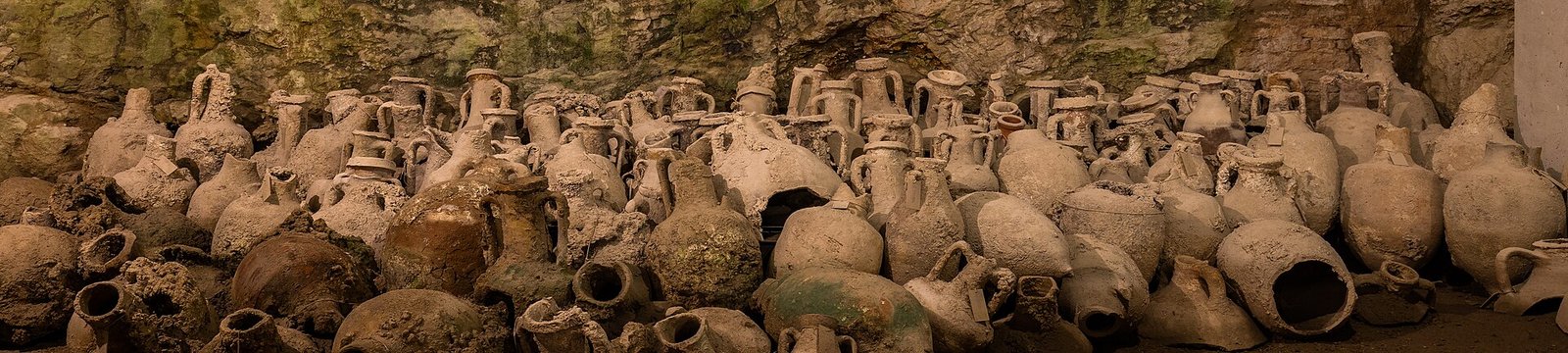
Pula’s arena dates from the 1st century AD and is one of the six largest Roman amphitheatres still standing, and the only one that kept all four of its side towers. It is still in use: the Pula Film Festival and summer concerts are held inside. Going in lets you walk the arena floor and the underground galleries, where a small display shows how olive oil and wine were produced in Roman Istria; entry is a separate ticket on many tours. From the arena, a 10-minute walk takes you through the Arch of the Sergii to the old forum and the Temple of Augustus, which is about all a day trip has time for.
Rovinj: up the hill to St. Euphemia
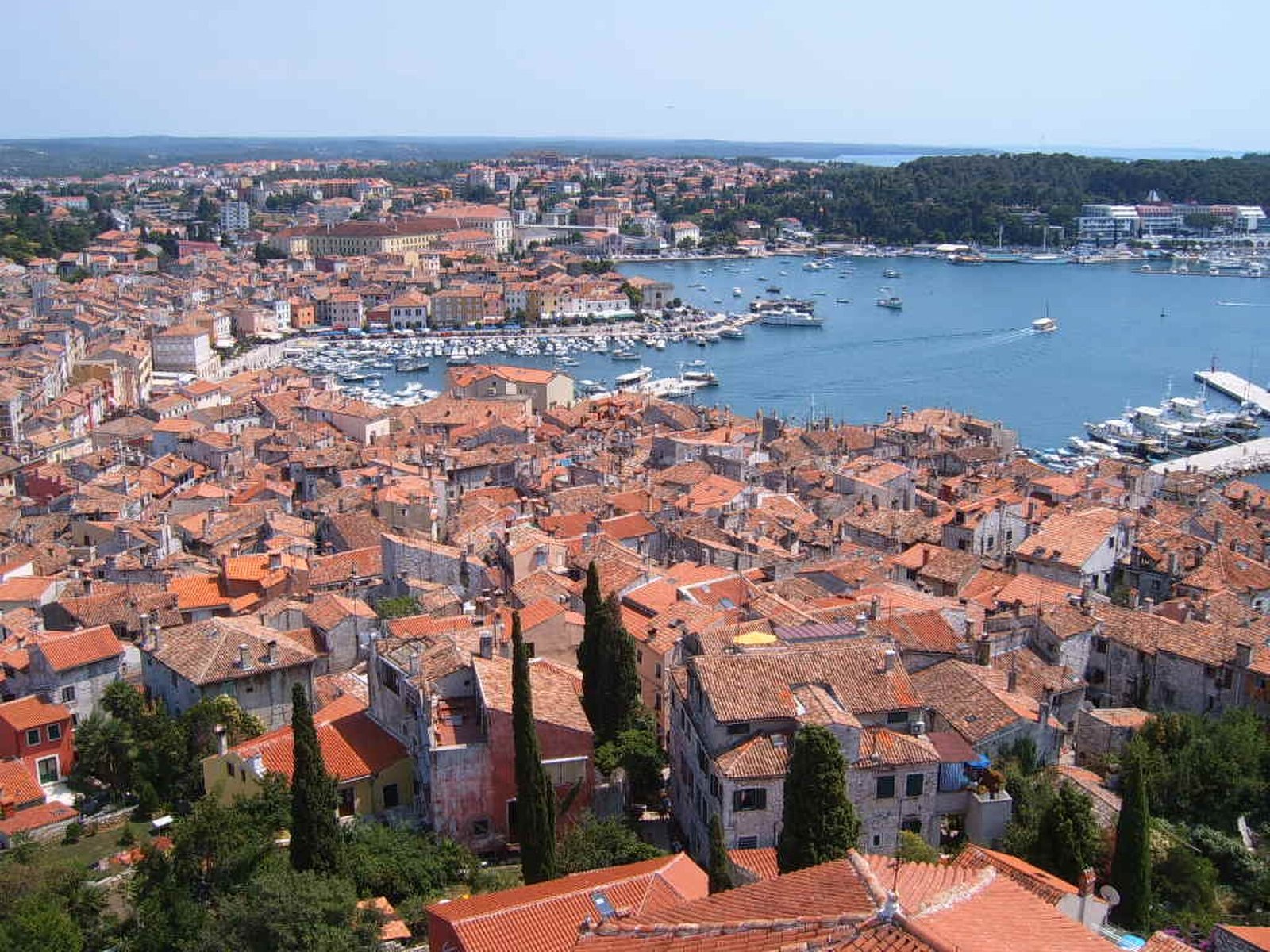
Rovinj’s old town fills a small headland, crowned by the church of St. Euphemia and its bell tower, modelled on St. Mark’s in Venice. Walk up from the harbour along Grisia, the steep cobbled lane lined with small galleries, and come down the other side for the sea views. The stones are polished smooth, so wear shoes with grip. Back at the harbour, fish restaurants and gelato are the obvious lunch.
Some tours also stop at the Lim Fjord between the two towns, a narrow sea inlet known for oyster and mussel farms, or detour inland for Istrian truffles and olive oil. Those stops are the nicest surprise of the day when included, but check, because they shorten the time in Rovinj.
The tours
- Based in or near Rijeka: the Pula and Rovinj tour from Rijeka and the surrounding area.
- General Istria day tours: the Istria tour to Pula and Rovinj and the day trip through Istria with Pula and Rovinj; compare pickup points.
- From Trieste: the Istria tour from Trieste.
- From Zagreb: the Istria day trip from Zagreb, a long but scenic day.
Questions travellers ask
Is there time to swim?
Rarely on a standard tour. Rovinj has rocky spots near the old town, so a quick dip is possible if your free time allows; bring a swimsuit only if the listing mentions a beach stop.
When is the best season?
May, June and September: warm, with fewer crowds than July and August. In winter the towns are quiet and some restaurants close, but the arena stays open.
Can I do it by bus on my own?
Pula and Rovinj are linked by frequent buses in about 45 minutes, and both have connections from Rijeka. It works well if you stay a night in Istria.
In short: start from Rijeka or Trieste if you can, go inside the arena, and climb to St. Euphemia.
More travel ideas: All tours and experiences, our guide to Elaphiti Islands cruises from Dubrovnik or the Mostar and Kravica day trip.
Tour details reflect GetYourGuide listings checked in November 2026; prices, routes and inclusions change, so confirm on the booking page. EuroWayHub Global may earn a commission from bookings made through partner links.